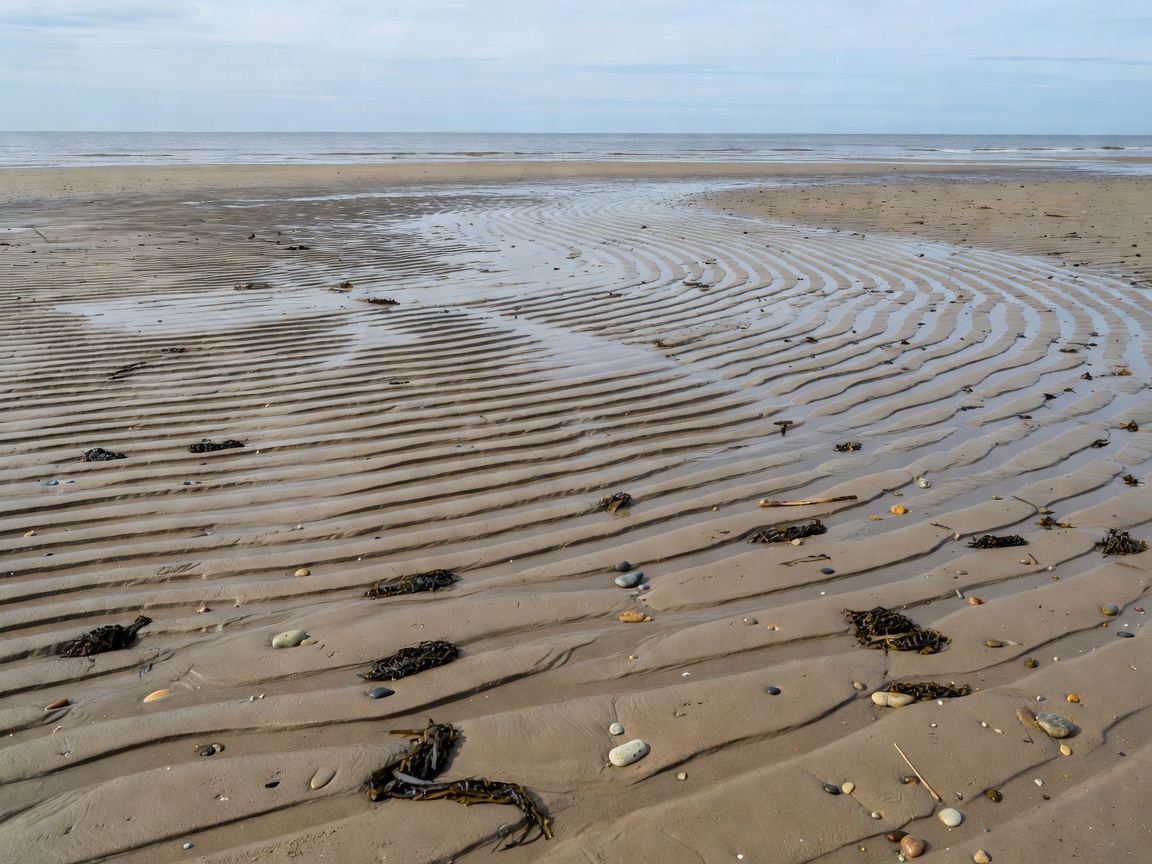
Coastal wildlife responds to water level, daylight, temperature, wind, food availability and disturbance. These variables overlap. A low tide may expose feeding ground, but strong wind may make the same shore unsafe or difficult to view. A migration period may increase the chance of variety, but a local site can still be quiet. Use general patterns to choose a planning window, not to promise a sighting.
Tides
Rising and falling water change access to rock pools, mudflats, sandbanks and estuary margins. Falling water may reveal feeding habitat. Rising water can move birds toward higher shorelines and may cut off routes. The timing and range differ by location. Weather, atmospheric pressure, channel shape and local geography also affect conditions. Check an official tide source for the exact coast, then add a conservative margin for walking and return.
Daylight and weather
Long daylight creates more route flexibility, while winter requires earlier decisions and reliable headlamps where permitted. Low sun can produce glare across water. Cloud can improve contrast but reduce visibility. Rain, fog and spray affect optics. Wind changes bird flight, wave exposure and comfort. Weather is not a minor detail; it determines whether a viewpoint remains safe and useful.
Spring
Spring commonly brings increasing daylight, changing weather and movement associated with migration and breeding. Some cliffs, dunes and marshes become sensitive to nesting activity. The best route may therefore be the one with the greatest set-back, not the closest view. Vegetation can be wet, and coastal wind remains variable. Treat any broad spring pattern as a guide only.
Summer
Summer often offers longer walking windows and more stable daylight. It can also bring glare, heat, visitor pressure and reduced quiet at accessible beaches and harbours. Early or late sessions may be more comfortable, but exact animal activity varies. Carry water, use sun protection and avoid entering closed breeding areas. Warm air does not remove cold-water risk.
Autumn
Autumn can combine migration movement, changing weather and strong coastal systems. Wet surfaces, falling leaves and shorter days affect route choice. Sheltered estuaries and lagoons may be more practical than exposed headlands during poor weather. Keep a route alternative ready. Do not interpret a quiet visit as evidence that the habitat lacks wildlife.
Winter
Winter brings short daylight, cold water, heavy swell and fast weather changes. Some coastal birds are easier to detect against open shorelines, while other habitats become difficult to reach. Choose short routes with a clear exit and shelter. Waterproof layers, gloves, spare warm clothing and a charged phone are basic planning items. Never extend a route because conditions deteriorate slowly; leave early.
Timing without false precision
Migration, breeding and feeding periods differ between species and sites. Local restrictions can change with little notice. Use official protected-area information, harbour notices, tide tables and weather services. Plan for observation at a distance, not for pursuit. If animals alter behaviour, retreat. A responsible timing decision protects both the wildlife and the quality of the field experience.