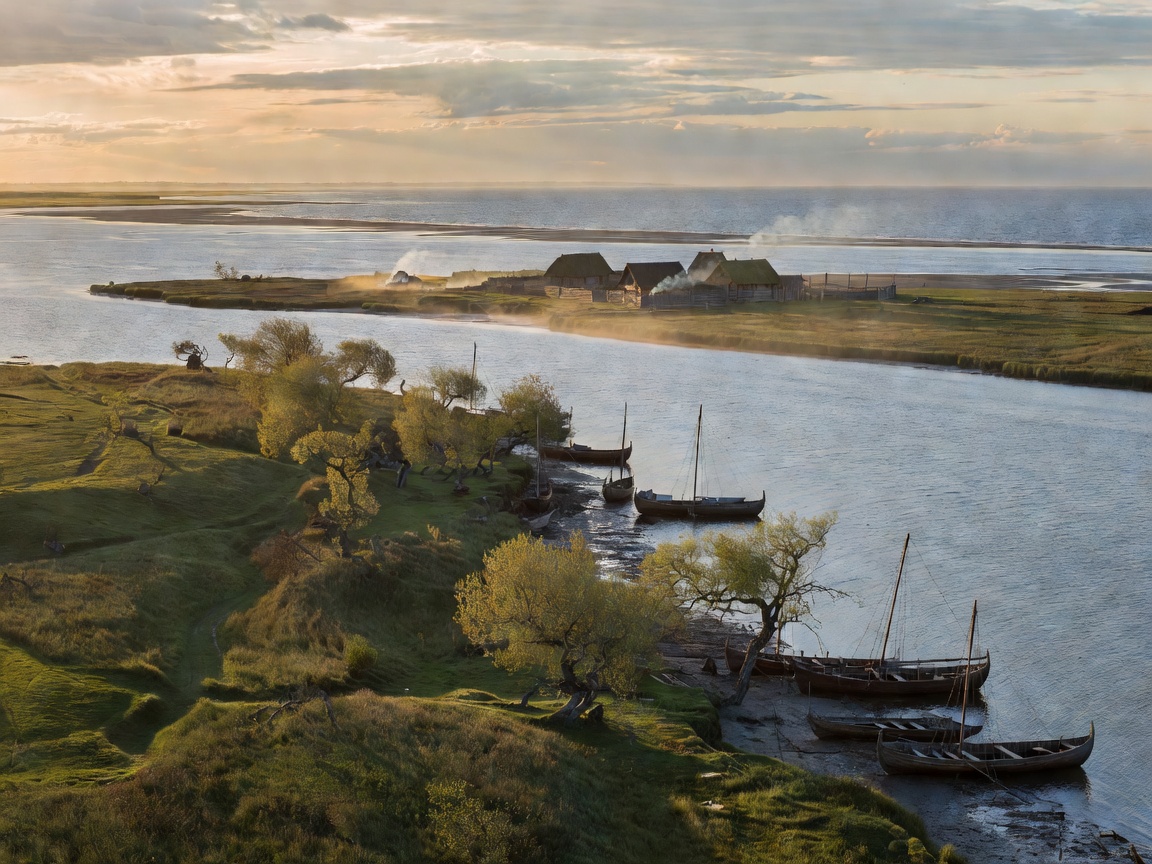
European coastlines are not one operating environment. A rocky headland, a tidal estuary and a sheltered lagoon can sit within the same broad travel area while producing very different observation conditions. Begin with exposure, substrate, tidal range, water temperature and access. These factors influence where wildlife feeds, rests and moves.
Atlantic coastlines
Atlantic shores often combine swell, strong wind, headlands, beaches, sea caves and productive offshore water. Rocky Atlantic headlands suit long-distance scanning when visibility is good. Seabirds may use cliffs and offshore stacks. Seals may occur near quiet haul-out areas. The practical variables are wind direction, spray, footing, shelter and the ability to maintain a stable viewing position. A calm forecast does not remove the need to keep away from cliff edges and wave zones.
North Sea coasts
North Sea environments include broad beaches, tidal flats, dunes, salt marshes and estuaries. A low-tide landscape can reveal channels, mud, sandbanks and feeding margins. It can also create hazardous soft ground and rapidly changing water access. Bird observation often depends on a clear view across open flats, a safe elevated point and enough time to leave before water returns. Local tide tables and access notices are essential. Never use a general tide assumption for a specific crossing.
Baltic shorelines
Baltic coasts commonly include sheltered bays, reedbeds, forests, rocky skerries and shallow lagoons. Lower salinity changes the mix of habitats and can support extensive coastal wetlands. Wind exposure may be lower in a bay, but cold water and sudden weather remain relevant. Shoreline walks can be quiet and visually open, while reed margins require patience and a fixed observation point. Check seasonal restrictions around nesting habitat.
Mediterranean coasts
Mediterranean landscapes range from limestone cliffs and pebble coves to dunes, seagrass areas, salt pans and coastal wetlands. Warm water does not mean easy access. Heat, glare, dry surfaces and limited shade can reduce observation quality. Dawn and late-day conditions may provide more comfortable walking and lower glare, but exact wildlife activity varies by site. Coastal lagoons and marshes can be highly sensitive to disturbance. Remain on designated paths and use distant optics.
Habitat is the useful unit
Rocky shores expose pools and ledges as water falls. Sandy beaches support burrowing and feeding zones, but may be heavily used by people. Estuaries combine fresh and salt water, sediment and changing channels. Salt marshes provide cover and feeding habitat. Lagoons offer sheltered water and reed margins. Island environments can concentrate seabirds and marine mammals, while also having limited access, scarce water and strict landing rules.
Temperature, currents and geography
Water temperature affects seasonal presence, breeding timing and feeding conditions. Currents move nutrients and influence visibility. Geography controls shelter, orientation, daylight and the distance between habitats. A west-facing cliff may be excellent for sunset light but exposed to prevailing wind. A sheltered inlet may offer calmer viewing but fewer open-water sightlines. Treat region labels as a starting map, not a wildlife guarantee.
For each coast, record habitat, exposure, access type, route surface, tide dependency, seasonal sensitivity and a safe exit. Then use local authorities, protected-area notices and current weather and tide services for final decisions.