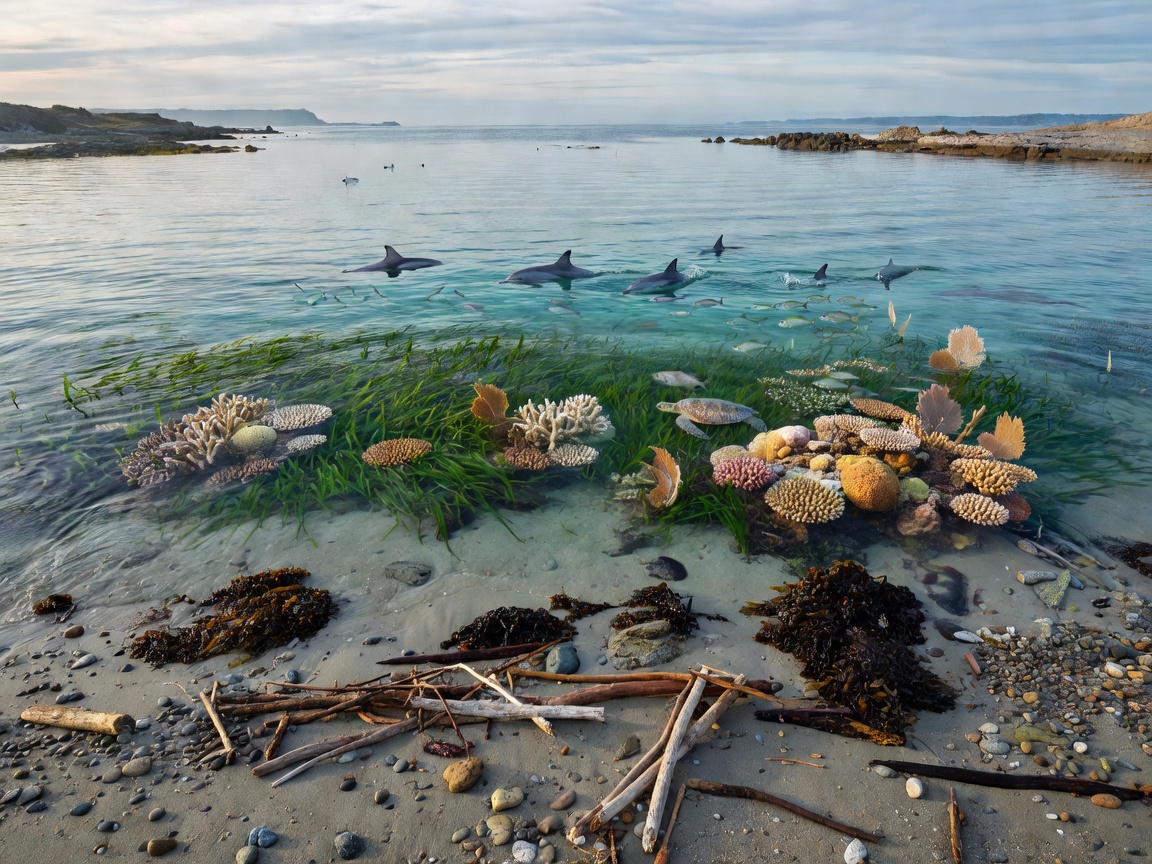
Marine wildlife observation can begin on land. A headland, harbour edge, beach or estuary may provide useful views without entering the water. Boat-based viewing can extend the field of view, but it also introduces motion, weather exposure, engine noise and safety constraints. Select the method that keeps people safe and animals undisturbed.
Shoreline observation
Land-based viewing is usually the simplest option. It needs a stable surface, a clear sightline and enough distance for wildlife to behave normally. Headlands can support scanning across open water. Beaches may reveal tracks, feeding birds or distant seals, but they can also have high human use. Harbours provide shelter and structure, although vessel movement can reduce visibility. Binoculars are more useful than moving closer.
Boat-based viewing
A boat changes the angle and range of observation. Before selecting one, consider vessel size, enclosed or open seating, boarding method, toilet access, motion sensitivity, duration and weather cancellation procedures. A calm harbour does not describe conditions offshore. Ask whether the route is suitable for your mobility needs and whether the operator follows local wildlife-distance rules. Do not treat a scheduled departure as evidence of suitable sea conditions.
Seals and marine mammals
Seals need undisturbed resting areas. Observe from a distance and never approach a haul-out site from the water or block an animal’s route back to the sea. If an animal changes direction, becomes alert or repeatedly enters the water, increase distance. Marine mammals may surface briefly and unpredictably. A quiet, patient viewpoint is more responsible than repeated repositioning or pursuit.
Seabirds and coastal feeding
Seabird observation works from cliffs, beaches, marsh edges and boats. Wind can help birds soar while making optics unstable. Nesting areas require particular care. Avoid loud calls, drones, climbing barriers or entering closed paths. Use a tripod only where it does not obstruct other visitors or narrow routes. During breeding periods, local restrictions take priority over photographic access.
Intertidal exploration
Rock pools and exposed shorelines can show algae, small invertebrates and feeding birds. They can also become dangerous quickly as water rises. Use official tide information, stay away from isolated rocks and do not handle animals. Avoid turning stones if doing so damages habitat or traps wildlife. Children and inexperienced walkers need direct supervision around water, slippery surfaces and unstable edges.
Comfort and duration
Layered clothing, waterproof outerwear, sun protection and footwear with reliable grip matter in every season. Motion-sensitive visitors may prefer a short sheltered-water outing or land-based route. A shorter session with a clear exit is often better than an ambitious exposed trip. Carry water and essential medication. Sightings may not occur; the experience should remain worthwhile as habitat observation rather than a collection of guaranteed encounters.
Use local access notices, weather services, tide information and operator safety details before departure. Keep noise low, never feed wildlife, never touch marine animals and leave every shore as found.